PhD · Cambridge · BCG
Wen Kin
Lim
Passionate about the intersection of biomedical research, biotech startups, and business strategy in ageing and longevity. Currently pursuing my PhD at Cambridge.
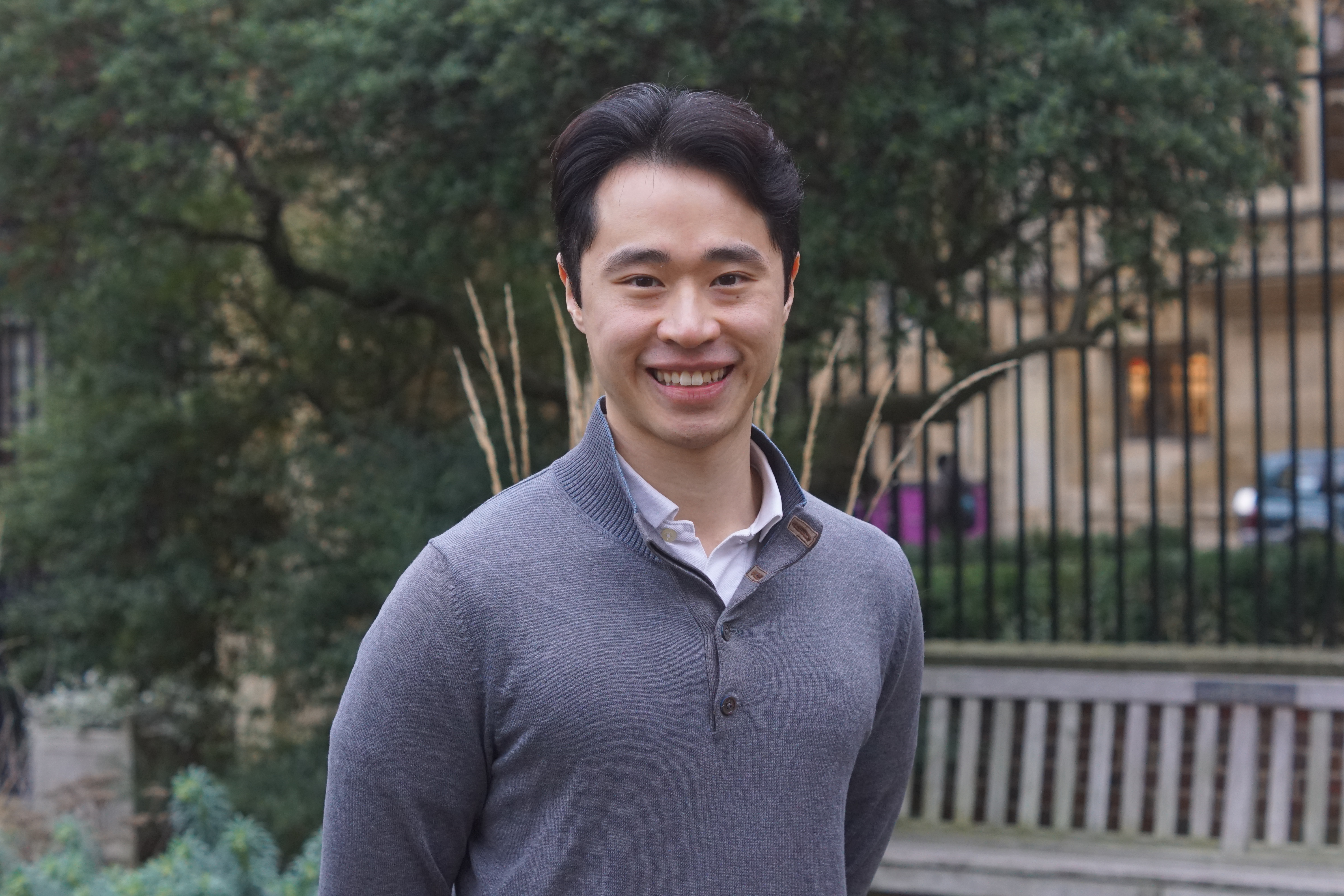
Passionate about the intersection of biomedical research, biotech startups, and business strategy in ageing and longevity. Currently pursuing my PhD at Cambridge.
001 — About
I'm a PhD candidate and Harding Scholar at the University of Cambridge and the Babraham Institute. I was previously a strategy and healthcare consultant to private sector multinationals, governments, and private equity investors at BCG.
My current work focuses on the mechanisms of ageing (specifically the loss of protein homeostasis and oxidative damage that accumulates with age), cell reprogramming, and AI protein design. Reach out if you're interested in this space!
I'm the President of the Cambridge Society of Ageing and Longevity Research (more about what we do here).
I grew up in Australia and was born in Malaysia. I've lived and worked in Australia, Singapore, the United Kingdom, the Middle East, and the United States (≥6 months in each location).
Education

University of Cambridge · Babraham Institute
PhD in Biology
Supervised by Dr Ian McGough · Harding Distinguished Postgraduate Scholar

Yale-NUS College
BSc (Hons), Life Sciences & Computer Science
First Class Honours / Magna Cum Laude · Yale-NUS was a partnership between Yale University & the National University of Singapore
Work

Boston Consulting Group (BCG)
Strategy Consultant (promoted twice)
2021 – 2024
Projects across Melbourne, Sydney & Dubai offices
Yale-NUS College, Tolwinski Lab
Researcher
2020 – 2021
Research in signal transduction and stem cell regulation in ageing
002 — Publications
Accelerating activity in the longevity biopharmaceutical sector
Nature Aging, Vol. 5, pp. 2357–2358
Ageing is a risk factor for over 200 diseases, yet it has historically not been treated as a direct intervention point — the implicit assumption being that biological age cannot be manipulated. We examine growing evidence that biological and chronological ageing can be decoupled, and map the accelerating pipeline of longevity-focused biopharmaceutical activity globally. We argue that the convergence of improved science and rising commercial interest marks a meaningful turning point for the field.
Realising Australia's biomedical potential with targeted capability attraction
Boston Consulting Group
Australia's biomedical sector has grown rapidly on the back of world-leading research, strong clinical trial infrastructure, and an improving commercialisation culture — yet it continues to underperform in translating science into economic value. I analyse the structural barriers to translation and argue that strategic capability attraction, rather than traditional infrastructure investment, offers government the most effective lever for catalysing sector growth. I identify priority areas of existing strength where targeted, long-term intervention can have an outsized impact.
Wnt signaling rescues amyloid beta-induced gut stem cell loss
Cells, Vol. 11, Issue 2, Article 281
Amyloid-β plaques are a hallmark of Alzheimer's disease, but their precise causal role in disease progression remains debated. This study employed an optogenetic model in Drosophila intestinal stem cells to trigger amyloid-β oligomerisation and examine how Wnt signalling shapes the outcome — finding that Wnt activation rescues the stem cell loss caused by amyloid expression. Downstream transcriptomic analysis revealed changes in inflammation, protein misfolding, and ageing-related pathways, and suggested that lithium-mediated Wnt activation may be protective through inhibition of the Toll inflammatory cascade.
Optogenetic approaches for understanding homeostatic and degenerative processes in Drosophila
Cellular and Molecular Life Sciences, Vol. 78, pp. 5865–5880
Tissue homeostasis declines with age as stem cell availability for repair diminishes, setting the stage for cellular and neurodegenerative disease. My review surveys the use of optogenetics — which employs light-sensitive molecules and genetic engineering to modulate cellular activity with spatiotemporal precision in vivo — for studying these processes in Drosophila melanogaster. We outline current applications and highlight the technology's future potential for dissecting the mechanisms of homeostasis and degeneration in a genetically tractable model organism.
Design, challenges, and the potential of transcriptomics to understand social behavior
Current Zoology, Vol. 66, Issue 3, pp. 321–330
Advances in RNA sequencing opened new avenues for studying the molecular basis of social behaviours, enabling unbiased discovery of underlying mechanisms across whole transcriptomes without the need to predict relevant genes in advance. This perspective reviews how RNA-seq is being applied to questions of behavioural plasticity and individual variation in behaviour, while cataloguing the key technical limitations and experimental design decisions researchers must navigate. It serves as a practical guide for behavioural scientists considering transcriptomics as a new tool in their research.
003 — CV
A snapshot of where I've worked and what I've done.
I also love to run (marathons), cook (Malaysian, Chinese, French), and dance (salsa, ballroom)!
004 — Books
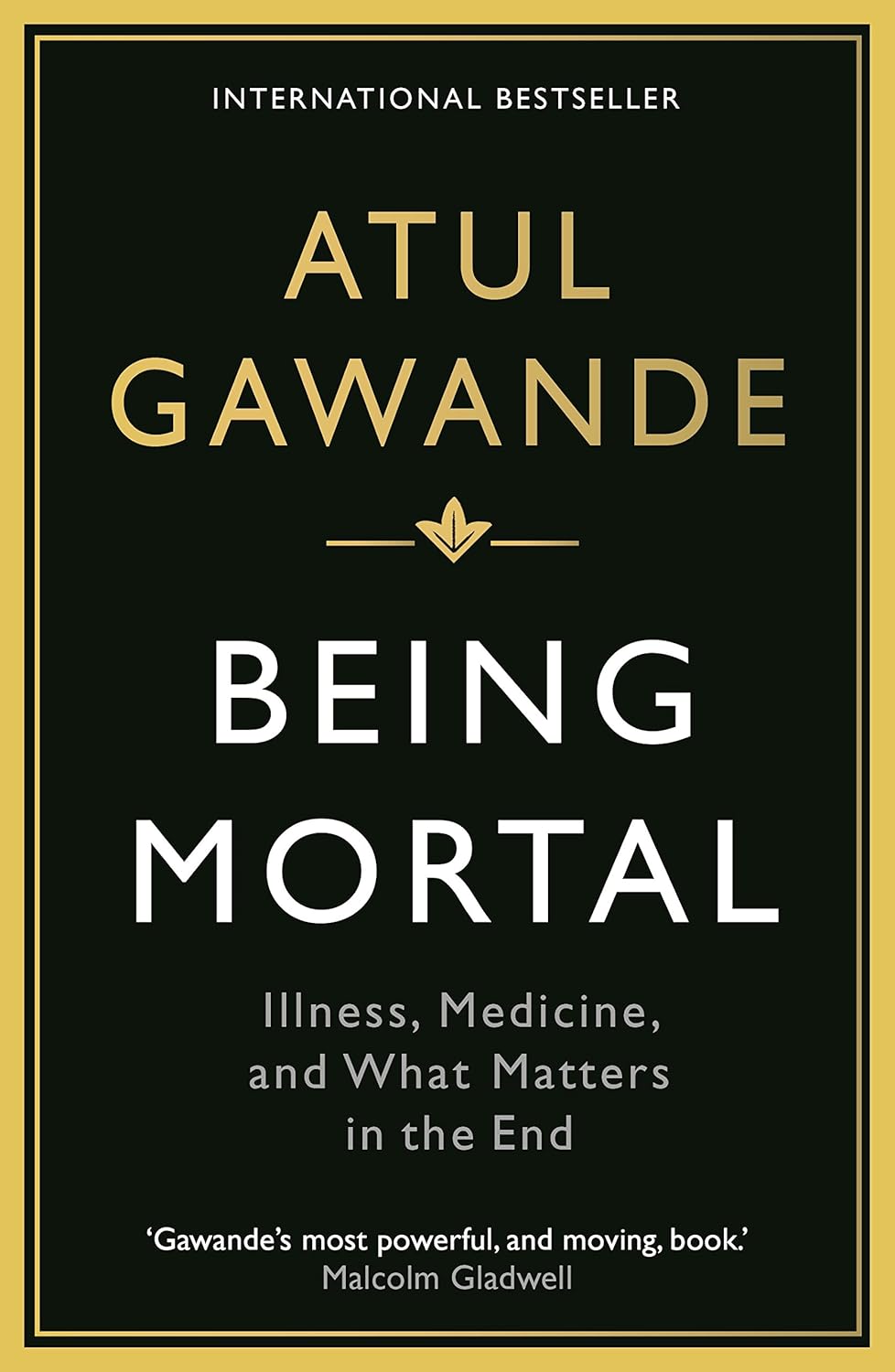
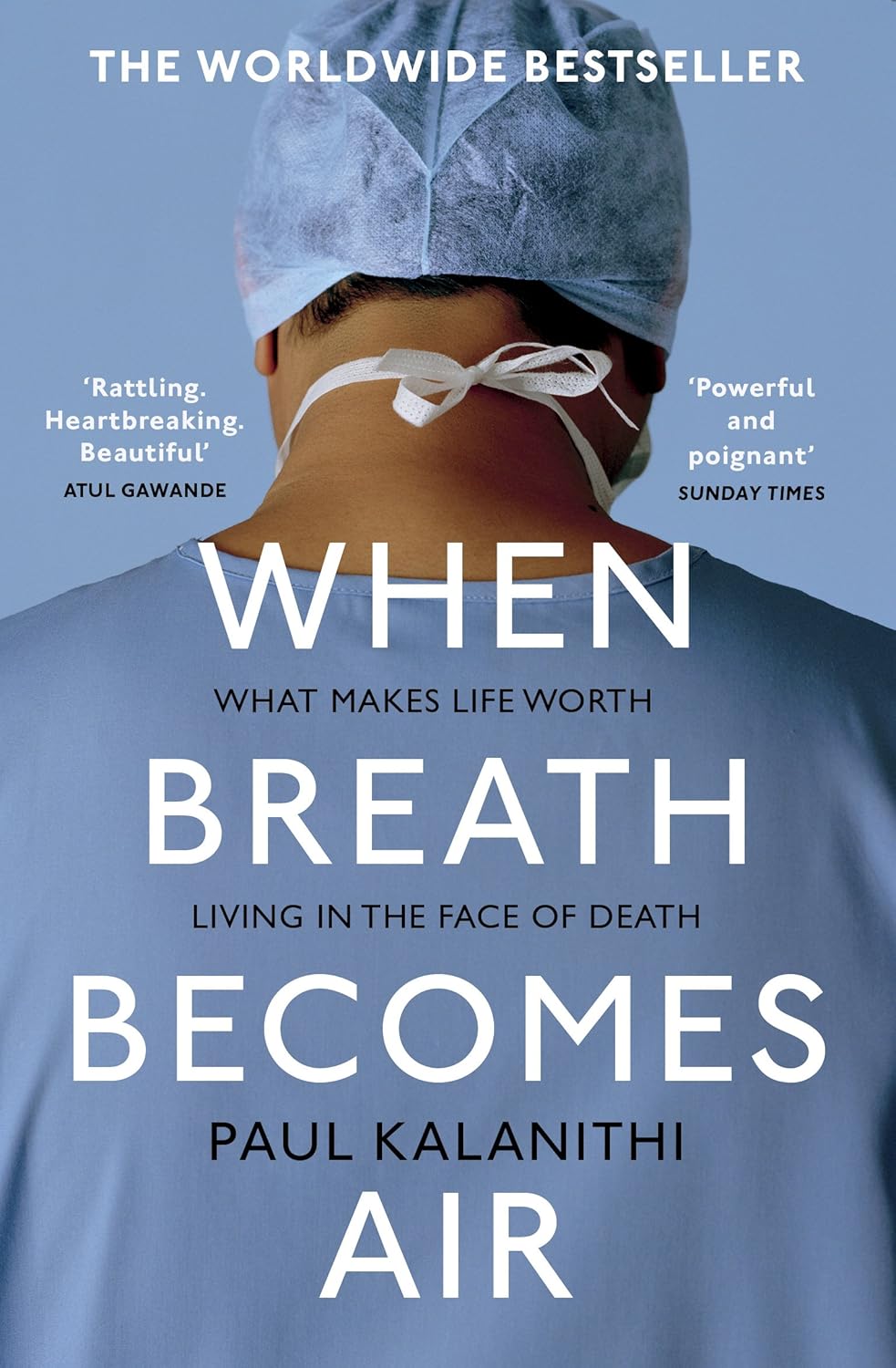
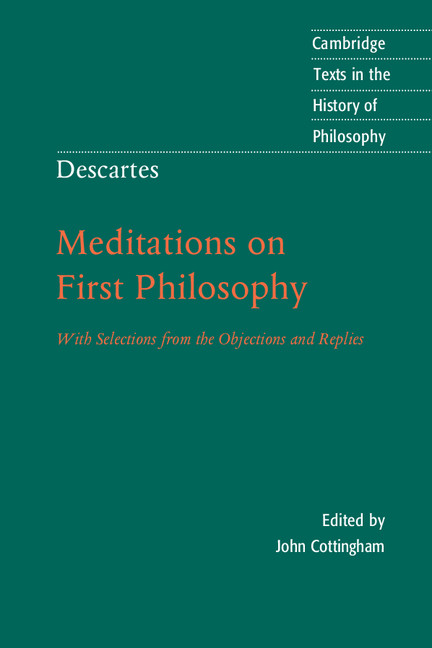
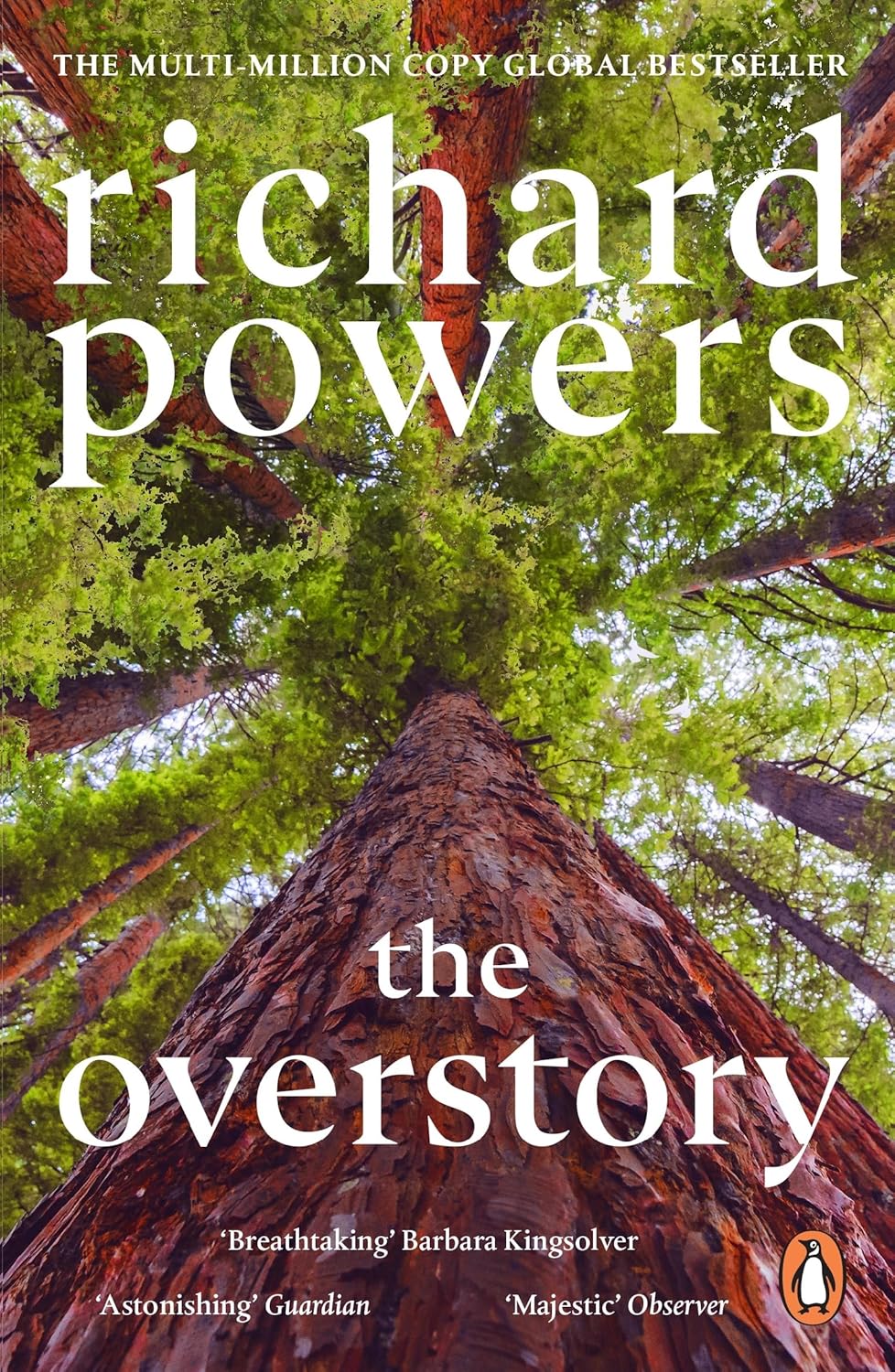
I love talking with other people about ideas and inspirations from books. If there's a book that has inspired you or changed the way you see the world, I want to hear your recommendation! These are some of my favourites. If any of these interest you, let me know.
What I'm reading now